The Rayalacheruvu bund breach struck the villages of KVB Puram mandal in Tirupati district in the first week of November 2025, when the weakened embankment of the old Olluru Rayala Cheruvu tank gave way overnight and sent a wall of water through farms and homes. Because the tank had filled to the brim after days of heavy rain, a small crack widened fast and drained the whole reservoir by the next morning. This report explains exactly what happened, which villages flooded, how officials responded, and what the administration promised the affected families.

Tirupati Official is an independent city news outlet. We are not a government body and not affiliated with the district administration or any official agency. For emergencies or official relief, always follow the district administration and the helplines listed below.
Rayalacheruvu Bund Breach: Quick Facts
- What: A breach in the bund of Olluru Rayala Cheruvu, an old irrigation tank.
- Where: KVB Puram mandal, Satyavedu constituency, Tirupati district, Andhra Pradesh.
- When: Early hours of Thursday, in the first week of November 2025.
- Villages hit: Kalatturu, Rajulakandriga, Patapalem, Pudi and Arundhatiwada.
- Casualties: None; officials credit timely evacuation with saving lives.
- Main loss: Hundreds of acres of standing crops, plus homes, household goods and cattle.
What Happened in the Rayalacheruvu Bund Breach
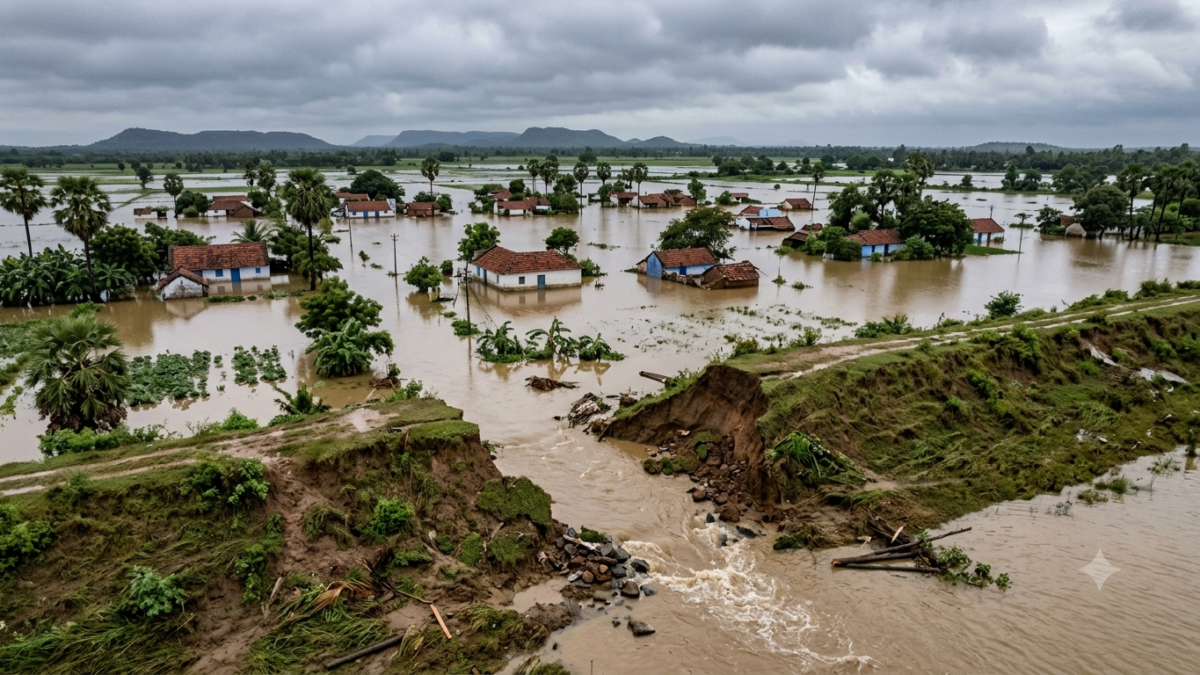
The Rayalacheruvu bund breach began as a crack in the tank’s earthen embankment and grew into a full breach within hours. The Olluru Rayala Cheruvu had reached capacity after continuous rainfall across the region. Late on Wednesday night the water still sat behind the bund. By dawn, the tank had emptied almost completely, and the floodwater had rushed downstream into low-lying settlements.
Because the tank is an old structure, the rising pressure quickly found its weakest point. Villagers described a sudden surge rather than a slow rise. Water swept through streets, fields and courtyards while most people were still asleep. In Kalatturu, the worst-hit village, several families climbed onto their rooftops as the water rose around them.
Which Villages Did the Flood Hit?
Five villages in KVB Puram mandal took the brunt of the flood: Kalatturu, Rajulakandriga, Patapalem, Pudi and Arundhatiwada. Kalatturu, and especially the Kalatturu Dalitawada colony, suffered the heaviest damage. Homes there stayed under muddy water for hours, so residents lost furniture, grain stocks and clothing built up over years.
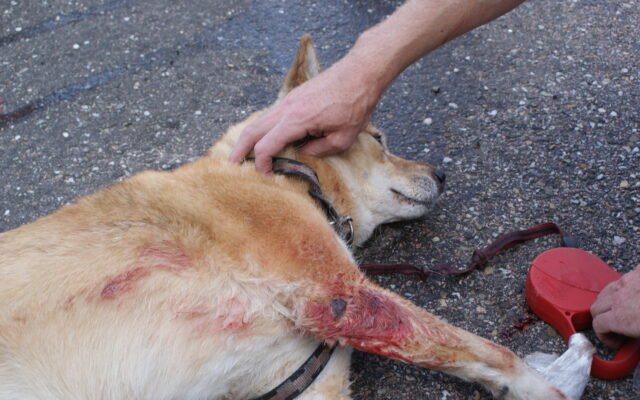
The flood also swept away cattle in several hamlets, with heavy livestock loss in Patapalem. Since many of these families depend on farming and dairy, the disaster hit their homes and their income at the same time.
Rescue and Relief After the Rayalacheruvu Bund Breach
The immediate response after the Rayalacheruvu bund breach focused on getting people out of low-lying homes. Police teams from KVB Puram, Satyavedu and Pichatur moved into the affected villages and relocated families to safer ground. Satyavedu MLA Koneti Adimulam alerted the district Collector and pressed for emergency relief as the water spread.
According to Tirupati District Superintendent of Police L. Subbarayudu, this early evacuation explains why no one died despite the scale of the flooding. He urged residents to stay alert and to call the emergency number 112 for any distress. Officials then opened relief camps and arranged food, drinking water and medical care for the displaced families.
The Krishnapuram Reservoir Warning
The danger did not end with the tank draining. With heavy inflows still arriving, engineers at the nearby Krishnapuram reservoir prepared to release water through its gates that same night. Assistant Executive Engineer P.S. Bhaskar Rajeev advised people living downstream to stay clear of the stream course until the release ended.
This kind of controlled release protects a reservoir from its own overflow. Yet it can raise the water level downstream within minutes, so residents in the path needed the early warning to move their livestock and belongings.
What Officials Announced
District Collector Dr S. Venkateswar visited the flood-hit zones with MLA Koneti Adimulam and Revenue Divisional Officer Bhanu Prakash Reddy. The Collector said the government would extend compensation for livestock losses and for damaged houses under existing housing schemes. He also directed officials to run sanitation drives, because stagnant floodwater raises the risk of disease.
Tirupati MP Dr Maddila Gurumoorthy, who monitored the situation from New Delhi, sanctioned ₹20 lakh from his MP funds for immediate relief. He also urged the state government to grant ₹5 lakh in compensation for each affected family. These figures reflect announcements made at the time, so families should confirm the final sanctioned amounts with the local revenue office.
How a Crack Became a Catastrophe
Tank breaches rarely arrive without warning signs. In this case, the embankment first showed leaks and cracks as the water climbed. Local video from the days before the collapse showed water seeping through the bund near Satyavedu. Once a leak starts on a saturated earthen wall, the escaping water carves a channel, and that channel widens under pressure.
From there the failure speeds up on its own. The wider the gap, the faster the flow, and the faster the flow, the more soil it strips away. This is why a hairline crack at night can empty a full tank by morning. Understanding that timeline helps residents grasp why officials evacuate early rather than wait to see whether a leak holds.
Rayalacheruvu Bund Breach: Damage to Crops and Homes
Agriculture took the largest hit. The flood submerged hundreds of acres of standing crops just as several fields neared harvest. Farmers who had invested a full season of costs watched that investment vanish in a single morning.
| Type of loss | What it affected |
|---|---|
| Crops | Paddy, chilli, tomato and other vegetables across hundreds of acres |
| Homes | Houses in Kalatturu and nearby villages, plus furniture and grain |
| Livestock | Cattle across the hamlets, with heavy loss in Patapalem |
| Household goods | Food grains, clothing and daily essentials |
A joint revenue and agriculture team began surveying the damage so officials could process compensation claims. Because enumerators assess crop and livestock losses village by village, officials asked families to document everything they lost for the survey teams.
How to Claim Flood Compensation
If the flood hit your household, a few simple steps make the compensation process smoother. Government relief moves through the revenue enumeration system, so good records help your claim.
- Photograph damaged crops, homes, cattle and household goods before you clean up.
- Note the survey number of any affected field, since enumerators record losses by land parcel.
- Register your name with the relief camp or the visiting revenue team.
- Keep ration, land and livestock records ready to prove ownership.
- Follow up at the KVB Puram or Satyavedu revenue office for the sanctioned amount.
Why the Rayalacheruvu Bund Breach Happened
The direct trigger was excess water. Days of continuous rain pushed the tank past its safe holding level, and the ageing bund could not hold the load. Yet the deeper problem was maintenance. Farmers said they had warned officials earlier about the crumbling embankment, but no preventive repairs followed.
This grievance matters because it points to a fixable cause. When crews desilt an old tank, strengthen its embankments and monitor its water level, a heavy monsoon becomes manageable rather than catastrophic. The Rayalacheruvu bund breach shows what happens when that upkeep slips.
Flood Safety: What Residents Should Do
Floodwater stays dangerous even after it starts to recede. If the flood reached your area, follow these safety steps until officials give the all-clear.
- Do not re-enter a flooded home until an official inspects it, since soaked walls and foundations can collapse.
- Avoid wading through moving water, because even a shallow current can knock a person down.
- Do not drink or cook with water that could carry contamination; use boiled or supplied drinking water instead.
- Watch for snakes and injured livestock, which often shelter in flooded structures.
- Keep documents and valuables in waterproof bags in case of a second surge.
- Call 112 for emergencies, or the district disaster helpline on 1077.
Elderly residents, pregnant women and anyone with a health condition should move to a relief camp rather than wait it out at home. Camp medical care also lowers the risk of waterborne illness once the flood passes.
A Recurring Risk for Tirupati’s Old Tanks
This was not the region’s first scare. Back in November 2021, another Rayala Cheruvu near Tirupati, in Ramachandrapuram mandal, developed cracks after record inflows, and the administration evacuated around 18 to 20 villages as a precaution. That tank held far more than its safe capacity before crews plugged the leaks with sand bags.
The pattern is clear. Many tanks around Tirupati are old earthen structures that pre-date modern engineering standards. When an unusually wet monsoon fills them beyond capacity, weak bunds fail. Unless desilting and embankment repair keep pace, more breaches like this one stay likely in heavy-rain years.
The wider Rayalaseema and south Andhra belt has seen the same story repeat in bad monsoon years. Heavy northeast-monsoon spells fill hundreds of small tanks at once, and the oldest ones carry the highest risk. When several tanks in a chain fill together, a breach upstream can cascade pressure onto structures downstream, which multiplies the danger for villages in the middle.
For the villages of KVB Puram, the immediate need is rebuilding, yet the longer-term answer is maintenance. Anyone living below a large tank should learn their nearest relief point and evacuation route before the next monsoon peaks. That single habit can turn a night of panic into an orderly move to safety.
Long term, the Rayalacheruvu bund breach is a prompt for a tank-safety audit across the district. Desilting restores storage, a strengthened bund holds pressure, and simple gauge markers let officials watch a rising tank in real time. None of this is costly next to the price of a flooded village.
The Bottom Line
The Rayalacheruvu bund breach caused heavy losses to crops, homes and livestock across five villages, yet fast evacuation kept the human toll at zero. Officials promised compensation for houses and livestock and released initial relief funds. The real test now is whether the ageing tanks around Tirupati finally get the repairs that farmers have long demanded. Affected families should keep records of their losses and confirm sanctioned compensation directly with the local revenue office.
Rayalacheruvu Bund Breach: FAQs
Where did the Rayalacheruvu bund breach happen?
It happened at the Olluru Rayala Cheruvu tank in KVB Puram mandal, part of the Satyavedu constituency in Tirupati district, Andhra Pradesh. The flood then spread into five villages downstream of the tank.
When did the tank breach?
The bund gave way in the early hours of a Thursday during the first week of November 2025. The tank had filled after continuous rain, so it drained almost completely by the next morning.
Which villages were flooded?
The flood inundated Kalatturu, Rajulakandriga, Patapalem, Pudi and Arundhatiwada. Kalatturu, especially the Dalitawada colony, was the worst affected.
Were there any deaths?
Officials reported no deaths. Police evacuated families from low-lying areas in time, and authorities credited that early action with preventing casualties.
What compensation was announced?
The District Collector said relief would cover livestock losses and damaged houses under housing schemes. The local MP sanctioned ₹20 lakh in relief and asked the state to give ₹5 lakh per affected family. Families should confirm final amounts with the revenue office.
What caused the Rayalacheruvu bund breach?
Continuous heavy rain filled the old tank beyond its safe level, so the ageing bund failed under the pressure. Farmers said they had warned officials earlier about the embankment’s poor condition.
Is the Rayala Cheruvu tank safe now?
Irrigation crews moved to plug the breach and begin repairs once the water drained. However, an old tank stays vulnerable during heavy rain, so residents below it should follow the district administration for the latest condition before each monsoon spell.
Who do I contact in a flood emergency here?
Call 112 for immediate emergencies. You can also reach the district disaster helpline on 1077. For relief and compensation, contact the KVB Puram or Satyavedu revenue office.
For official flood and relief updates, follow the Tirupati district administration and the Andhra Pradesh State Disaster Management Authority. For related coverage, see our reports on Tirupati’s growth and infrastructure pressure and the TUDA urban development authority.