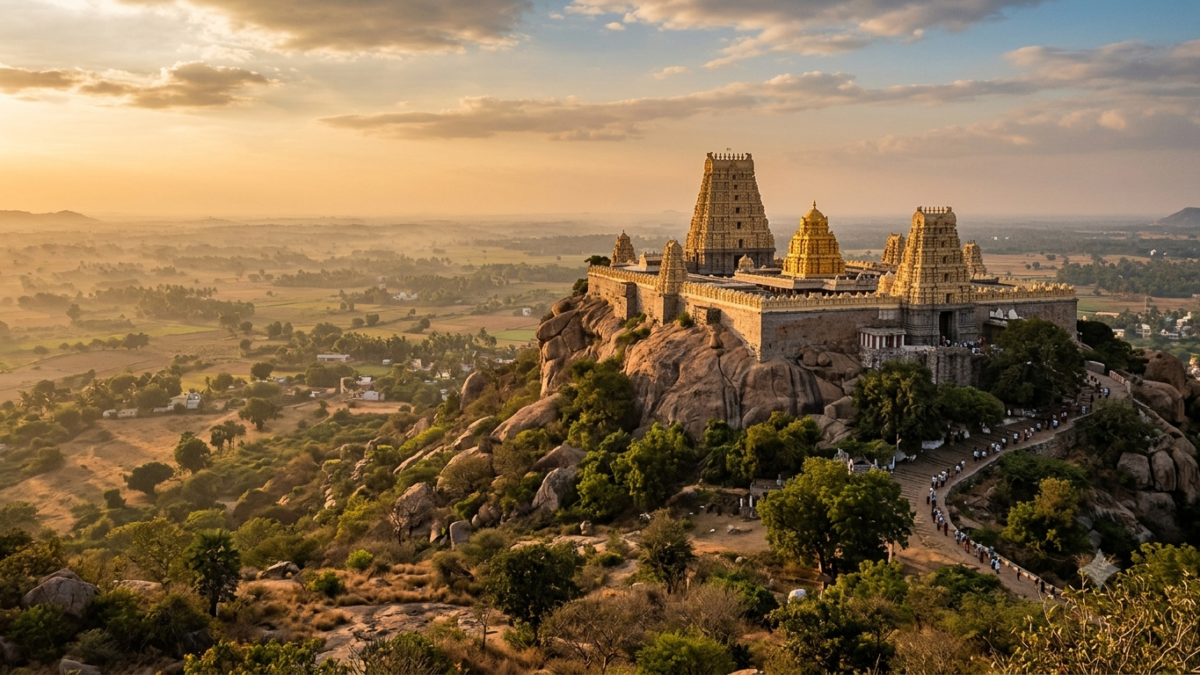
The Yadadri temple board is no longer a proposal on paper. On 30 June 2026, the Telangana government issued formal orders. Because of them, an 18-member trust board now runs the Sri Lakshmi Narasimha Swamy Devasthanam at Yadagirigutta.
Many devotees simply call this hill shrine near Hyderabad “Yadadri.” The move ends a long wait for a dedicated governing body. Moreover, it puts the temple on a Tirumala-style footing, with a chairman, nominated members and senior officials sharing charge.
One clarification matters up front, because several online write-ups get it wrong. Yadagirigutta sits in Telangana, not Andhra Pradesh. So this is a decision of the Telangana government, and not the AP government.
Tirupati Official is an independent news guide. We are not the official website of the Yadagirigutta Devasthanam, the Telangana Endowments Department, or the Government of Telangana, since we are not affiliated with them. We publish no notifications and accept no bookings, donations, or applications. Always use the official Devasthanam portal for darshan, sevas and official information.
Yadadri Temple Board at a Glance
Here is the quick version, because some readers want the essentials first.
- What happened: the Telangana government formed the Yadadri temple board through a Government Order dated 30 June 2026.
- Chairman: Dr M. Satyanarayana Reddy, founder-chairman of the pharmaceutical firm MSN Group.
- Size: 18 members in all, since it seats a chairman, nine other nominated members, the hereditary Founder Trustee, and seven ex-officio officials.
- Tenure: two years for the nominated members, counted from the day they take the oath of office.
- Model: autonomous administration on the lines of Tirumala Tirupati Devasthanams (TTD), while still under Telangana government jurisdiction.
- Legal basis: the Telangana Endowments (Amendment) Bill, 2025, because it allows a trust board for temples earning over ₹100 crore a year.
Who Is on the New Yadadri Temple Board?
Dr M. Satyanarayana Reddy chairs the Yadadri temple board. Notably, he is a pharmaceutical industrialist rather than a career politician. Alongside him sit nine nominated members and the temple’s hereditary Founder Trustee.
Seven senior officials also serve automatically, because of the posts they hold. The table below lists the nominated members named in the Government Order.
| Board member | Role or background |
|---|---|
| Dr M. Satyanarayana Reddy | Chairman; founder-chairman, MSN Group (pharma). |
| Vinod Venkataswamy | Sitting MLA. |
| Konidela Surekha | Public figure; wife of actor Chiranjeevi. |
| Chilappagari Vijayarajam | Nominated member. |
| Vijayender Tulla | Nominated member. |
| Pochaboina Eshwaramma Yadav | Nominated member. |
| Gundu Mallaiah | Nominated member. |
| Swathi Kantamani | Nominated member. |
| M. Raghavendar Rao | Nominated member. |
| Dr Lakshminarayana Naik | Nominated member. |
| Founder Trustee | Hereditary trustee (ex-officio). |
The Seven Ex-Officio Members
Seven ex-officio members complete the 18, and they hold their seats by virtue of office. First come the Chief Secretary to the Government of Telangana and the Principal Secretary of the Revenue (Endowments) Department. Next are the Commissioner of Endowments and the District Collector of Yadadri Bhuvanagiri.
The list then finishes with three temple-side seats. These are the Vice-Chairman of the Yadagirigutta Temple Development Authority (YTDA), the Executive Officer of the Devasthanam, and the Sthanacharya, the senior-most head priest. Because these seats follow the office and not the person, they carry no fixed two-year term.
One useful point of clarity, since the names sound alike. The board member Konidela Surekha is the wife of actor Chiranjeevi. However, she is a different person from Konda Surekha, the Telangana Endowments Minister who steered the enabling law.
Nominated members also draw no salary from the government or the temple. Instead, they receive only travel and daily allowances while on board duty.
A TTD-Style Model for Telangana’s Own Tirupati
The state has openly borrowed the Tirumala template. Because Yadagirigutta is often called “Telangana’s own Tirupati,” the comparison is deliberate. Under the new structure, therefore, the temple gets an autonomous board for policy and oversight.
Day-to-day administration stays with an Executive Officer of Indian Administrative Service (IAS) rank. Alternatively, an officer of Additional Commissioner rank and above may fill that post. This split matters, because it copies what has worked at TTD for decades.
A board sets direction and represents devotees, while a professional officer runs operations, much as the Tirumala Tirupati Devasthanams (TTD) system works. Meanwhile, the budget stays under government control. The board’s remit is also wide.
Besides darshan and seva management, it oversees the temple’s educational institutions, vedic schools and gaushalas. In short, the Yadadri temple board should bring steadier, more accountable governance to a shrine that has outgrown ad-hoc administration.
The Law That Made It Possible
None of this could happen without a change in the statute. So in March 2025, the Telangana Assembly unanimously passed the Endowments (Amendment) Bill, 2025. The amendment lets the government form a trust board for any temple earning over ₹100 crore a year.
The numbers explain why Yadagirigutta qualified. Endowments Minister Konda Surekha told the Assembly that its annual income had reached about ₹224 crore. Clearly, that figure sits well past the ₹100-crore line.
For temples earning between ₹1 crore and ₹100 crore, the same law provides a smaller 14-member board instead. The June 2026 order itself came under Section 96 of the Endowments Act. Furthermore, the temple now falls under Chapter 14 of the Act, 1987.
The law carries an ambitious rider too, since it clears the way for a planned “temple city.” That zone would spread across 1,241 acres of Yadagirigutta land, taking in three municipalities and six villages under three gram panchayats.
Within it, the government intends to bar begging, livestock grazing, drug use, gambling and unlicensed trade. The aim, therefore, is to keep the pilgrim experience clean and orderly.
How Yadagirigutta Got Here
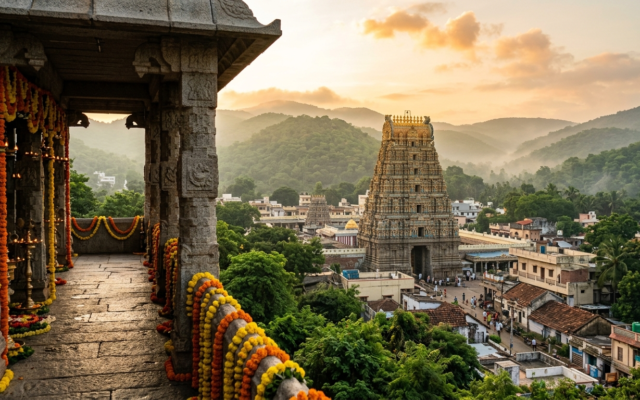
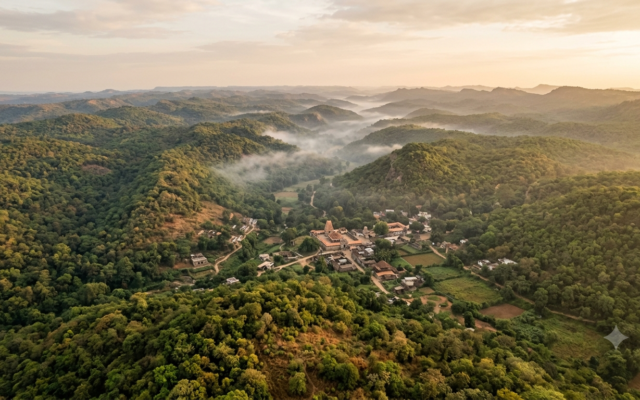
Yadagirigutta is a cave shrine to Lord Lakshmi Narasimha Swamy. Devotees revere it as a Pancha Narasimha Kshetram, because they worship the deity there in five forms. It stands on a hillock about 60 km from Hyderabad, in Yadadri Bhuvanagiri district.
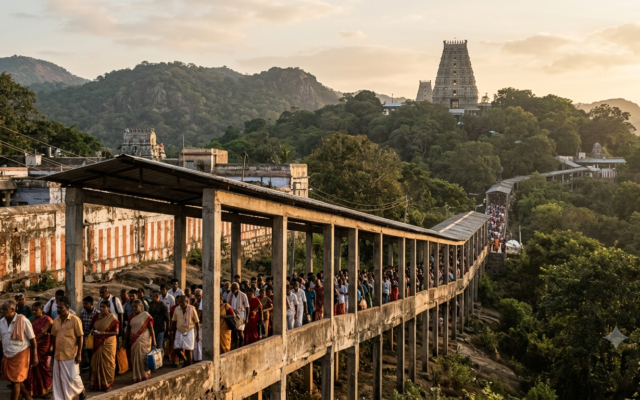
Since it is close to the capital, footfall is heavy. The official Telangana temple portal records a daily flow of roughly 10,000 to 15,000 pilgrims. Naturally, numbers climb far higher on Fridays, festival days and weekends.
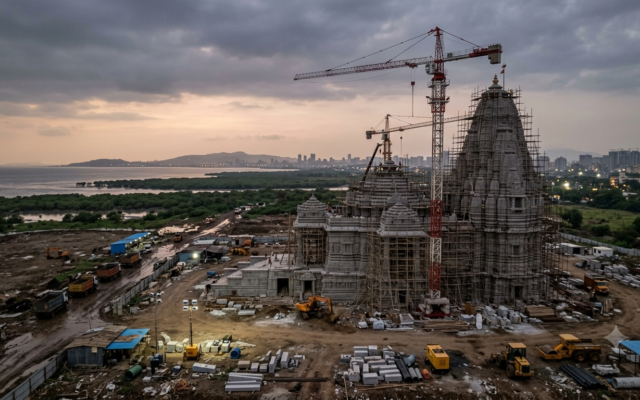
The shrine’s modern story turns on a huge rebuild. The previous government, led by K. Chandrashekar Rao, redeveloped the temple at a reported cost of around ₹1,800 crore. After a full reconsecration, it reopened in 2022.
During that project, Rao renamed the temple town “Yadadri.” However, once the Congress came to power, Chief Minister A. Revanth Reddy restored the older name “Yadagirigutta” for official records in late 2024. That is why both names now circulate freely.
Through all these years the temple ran without a full nominated trust board. Instead, government-appointed officials and the YTDA managed it. Devotees, priests and local stakeholders had long pressed for a proper board, because they wanted decisions to carry community voice, not just bureaucratic sign-off. So the June 2026 order finally answers that demand.
What the Yadadri Temple Board Means for Pilgrims
For an ordinary visitor, the change is mostly about governance, and it does not touch the darshan itself. Ticket prices, seva bookings and timings still run through the official Devasthanam system. So nothing about your next visit changes overnight.
Even so, a standing board usually speeds up decisions. Because a body now answers for them, crowd management, queue infrastructure, prasadam and accommodation should get sharper attention.
Over the medium term, the Yadadri temple board is likely to push the upgrades that transformed Tirumala. Think better darshan flow, cleaner facilities and clearer grievance channels. If the temple-city plan advances, pilgrims could also see improved roads, parking and lodging around the hill.
None of that is guaranteed on a fixed timeline, however. So treat these as intended outcomes rather than confirmed dates. A practical caution is worth adding too, because the temple sits atop a hillock and involves steps. Elderly pilgrims and those with health conditions should therefore pace themselves, carry water, and use the vehicle route or assistance where needed.
The Political Reactions
The appointments did not pass without debate, as temple boards rarely do. Opposition Bharat Rashtra Samithi (BRS) leaders raised objections. Former minister T. Harish Rao argued that the previous government’s role in developing Yadadri deserved more credit, while he also pushed for wider representation on such boards.
Some commentators flagged the political and industrial profiles of certain appointees. The government’s stated logic, though, runs differently. Ministers say a mixed board serves pilgrims better than administration by officials alone, since it brings community leaders, technical experts and public figures together.
Whether it delivers on that promise is the real test. That answer will play out over its two-year term. Readers can weigh both views for themselves, because the facts above come from the Government Order and Assembly proceedings. Either way, the composition of the board makes its first year worth watching closely.
What Happens Next
The immediate step is the oath of office, which starts the two-year clock for the nominated members. After that, the board is set to meet and choose its priorities. It will also work with the Executive Officer on budgets and development works.
The temple-city framework, staffing rules and fresh seva decisions will likely surface in the coming months. For the latest verified updates, meanwhile, watch the official sources. The official Yadagirigutta Devasthanam portal and the Telangana Endowments Department remain the ones to follow, because announcements about sevas, darshan changes or board meetings will appear there first.
The Bottom Line
After years of interim administration, Yadagirigutta finally has a full governing board. The Telangana government constituted it on 30 June 2026, and built it on the TTD model. The 18-member body, chaired by Dr M. Satyanarayana Reddy, now runs one of Telangana’s busiest shrines.
Because it carries a clear mandate for accountability and devotee voice, the coming two years will show how much changes on the ground. If you are planning a visit, keep booking and darshan through the official Devasthanam portal. Then watch that portal for any board-led changes to timings or sevas.
Frequently Asked Questions
What is the Yadadri temple board?
The Yadadri temple board is the 18-member trust board that governs the Sri Lakshmi Narasimha Swamy Devasthanam at Yadagirigutta. The Telangana government formed it through a Government Order on 30 June 2026. Its job is to oversee temple administration, development and pilgrim services on a TTD-style model.
Who is the chairman of the Yadadri temple board?
Dr M. Satyanarayana Reddy is the chairman, since he is the founder-chairman of the pharmaceutical company MSN Group. He heads a board that also includes nine other nominated members, the hereditary Founder Trustee and seven ex-officio officials.
Is Yadadri in Andhra Pradesh or Telangana?
Yadadri, officially Yadagirigutta, is in Telangana. It lies in Yadadri Bhuvanagiri district, about 60 km from Hyderabad. Because of that, reports placing it in Andhra Pradesh are wrong, and the trust board is a decision of the Telangana government.
Is the Yadadri temple board modelled on TTD?
Yes, because the government has built the board on the Tirumala Tirupati Devasthanams (TTD) template. The temple gets an autonomous board for oversight, while an IAS-rank Executive Officer handles daily administration and the budget stays under government control.
How long is the tenure of the board?
The nominated members serve a two-year term, which starts from the date they take the oath of office. Ex-officio members and the Founder Trustee do not carry that fixed term, since their seats follow their office.
Do board members get a salary?
No. Nominated members receive no salary from the government or the temple. Instead, they are entitled only to travel and daily allowances while carrying out board duties.
What law allowed the board to be formed?
The Telangana Endowments (Amendment) Bill, 2025, passed in March 2025. Because of it, the government can form a trust board for temples earning over ₹100 crore a year. Yadagirigutta, with about ₹224 crore in annual income, qualified under this rule.
Does the new board change darshan or booking for pilgrims?
Not for now. Darshan timings, seva bookings and ticket prices still run through the official Yadagirigutta Devasthanam system. Any future changes led by the board will appear on the official portal first.